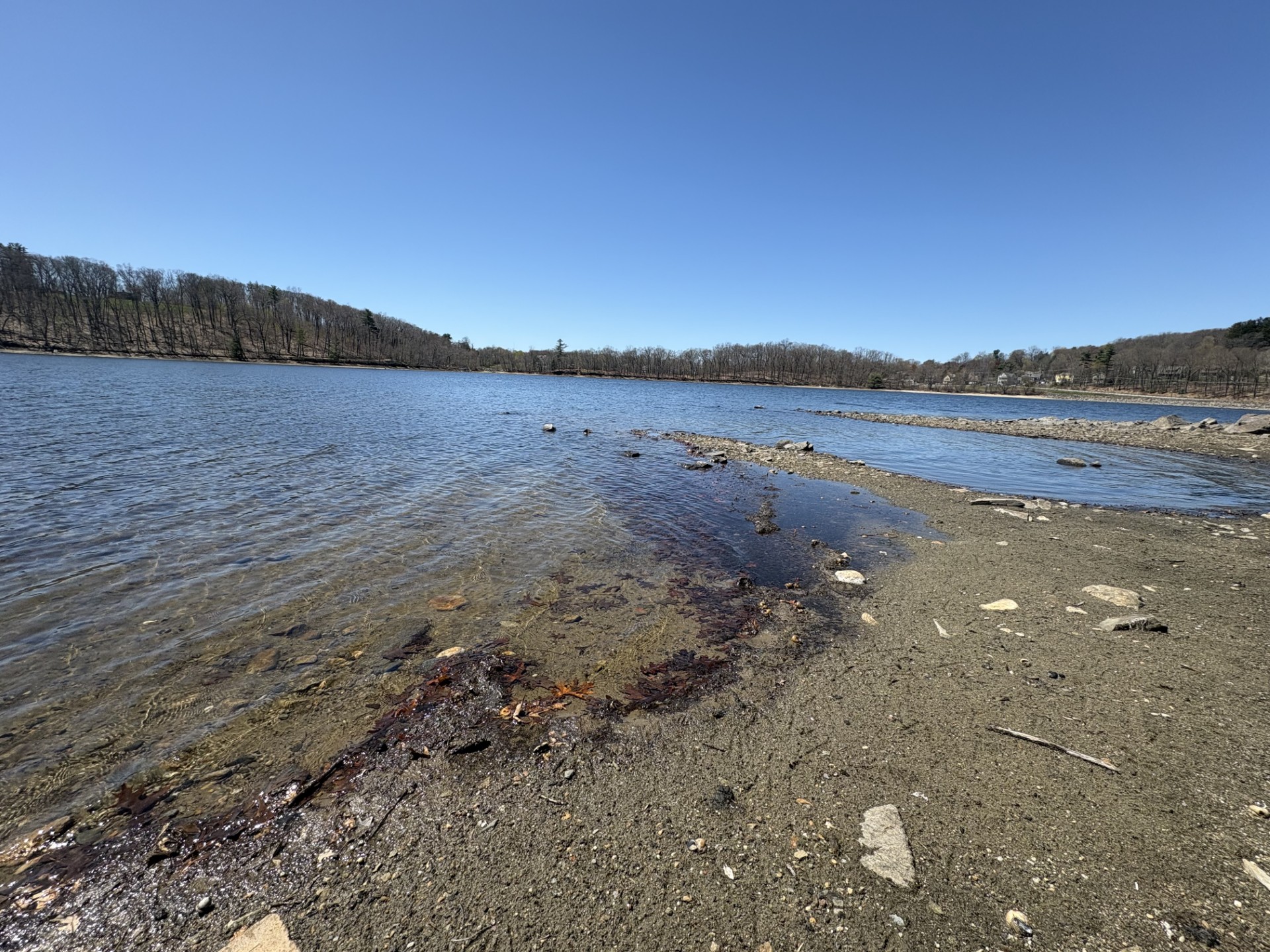
What Caused the Water Supply Emergency?
Haverhill is experiencing a water availability emergency due to a prolonged drought.
Prolonged Drought: Approximately two years of insufficient precipitation and declining water levels have substantially reduced available reservoir storage.
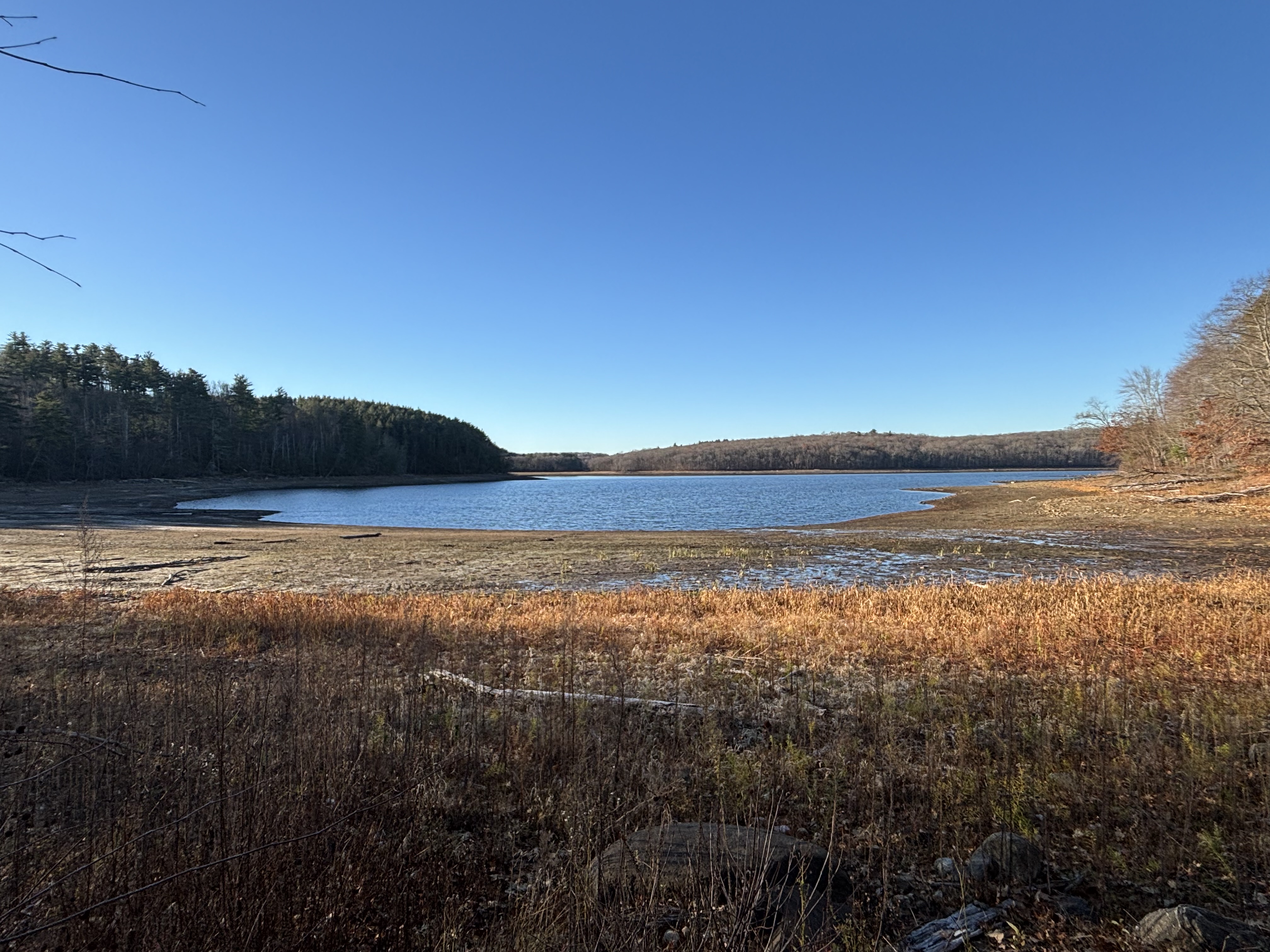
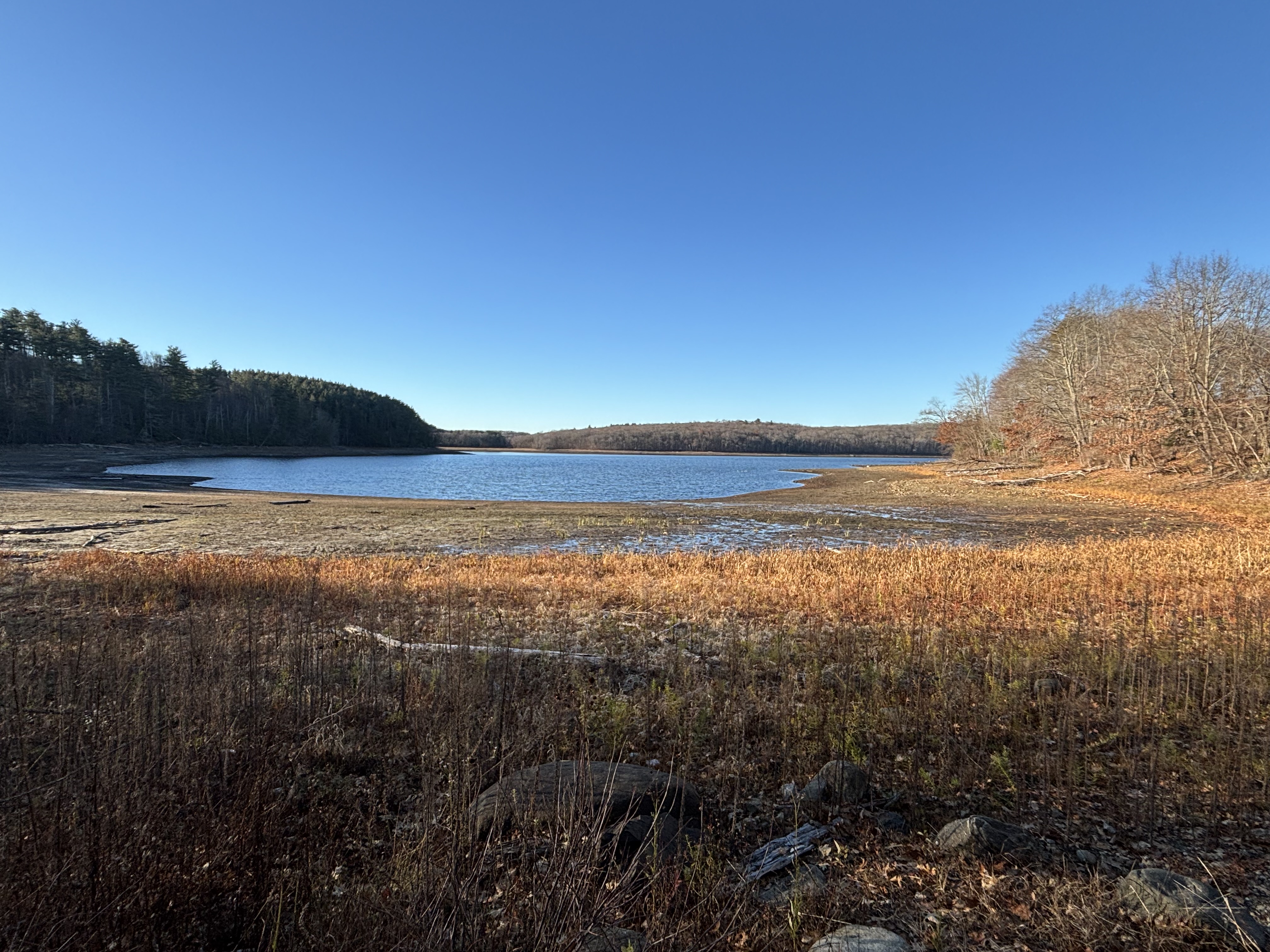
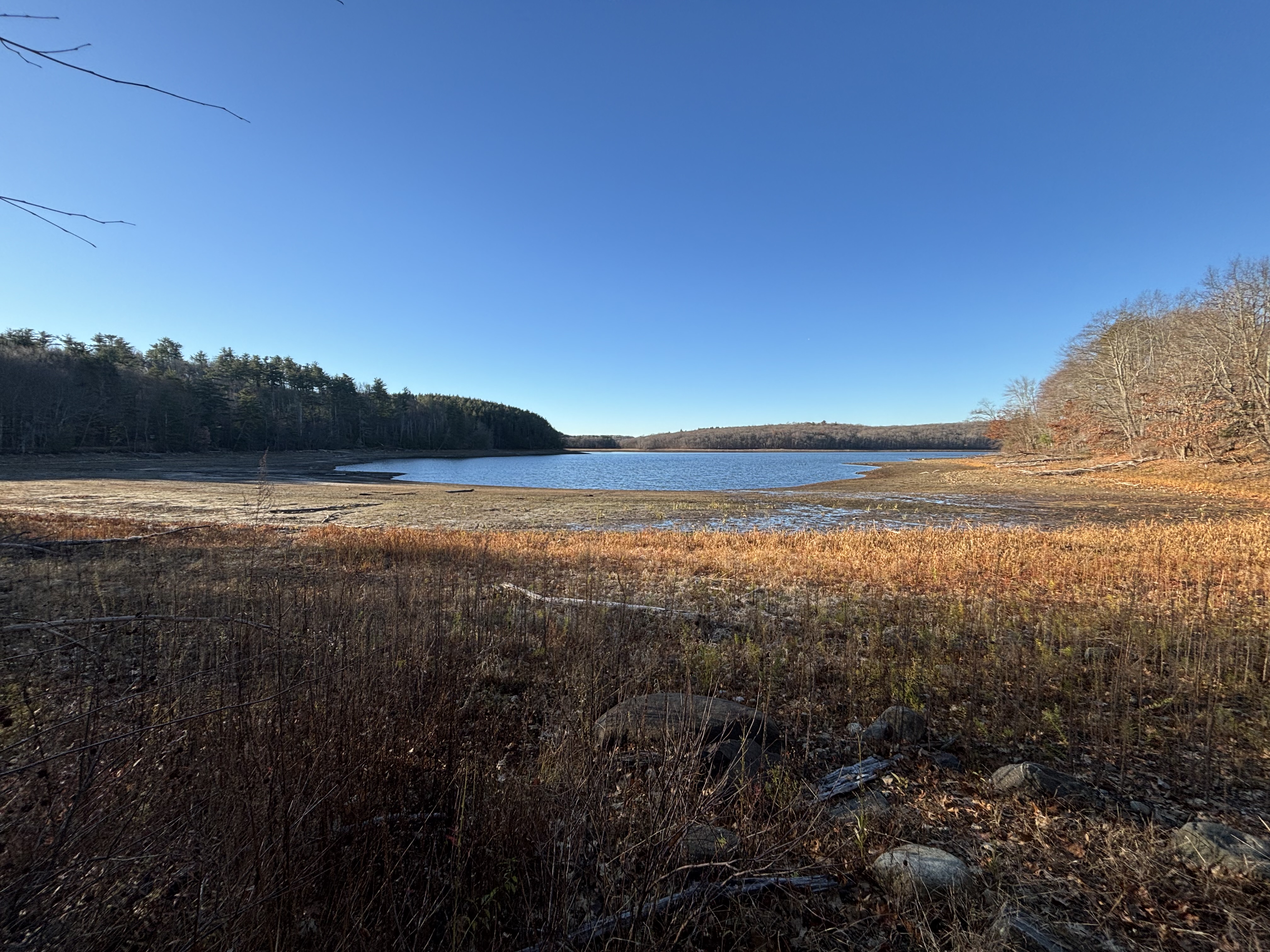
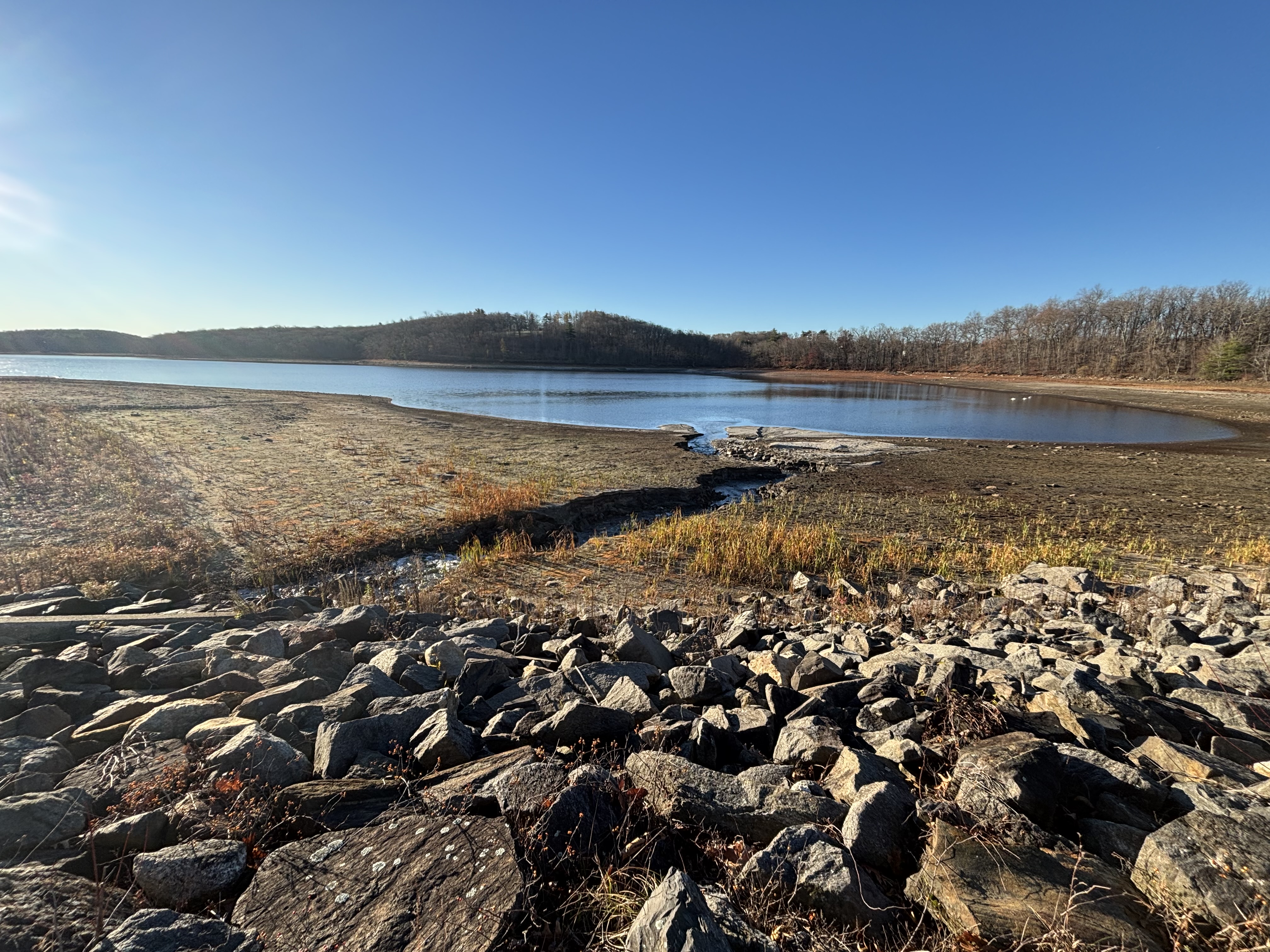
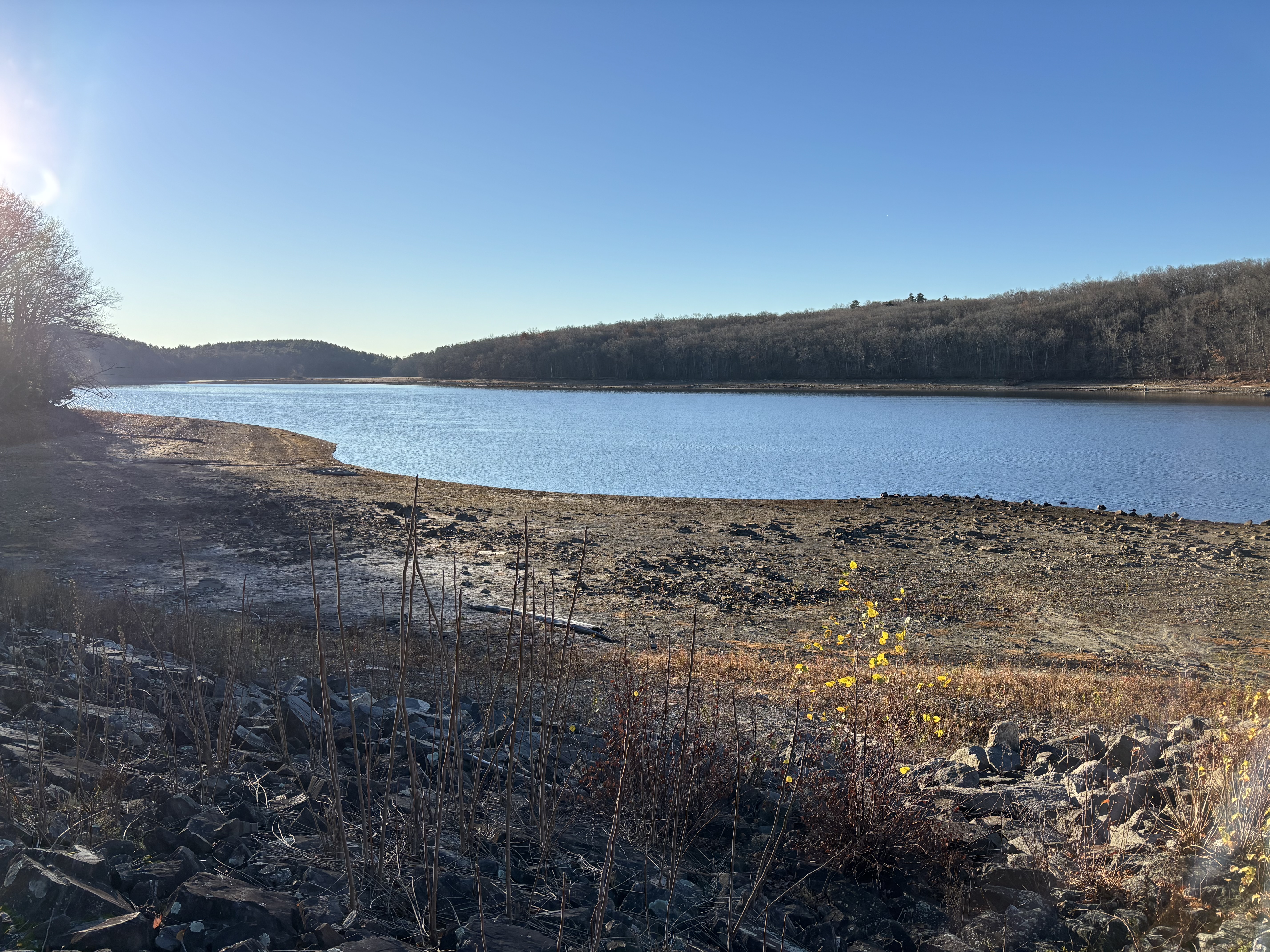
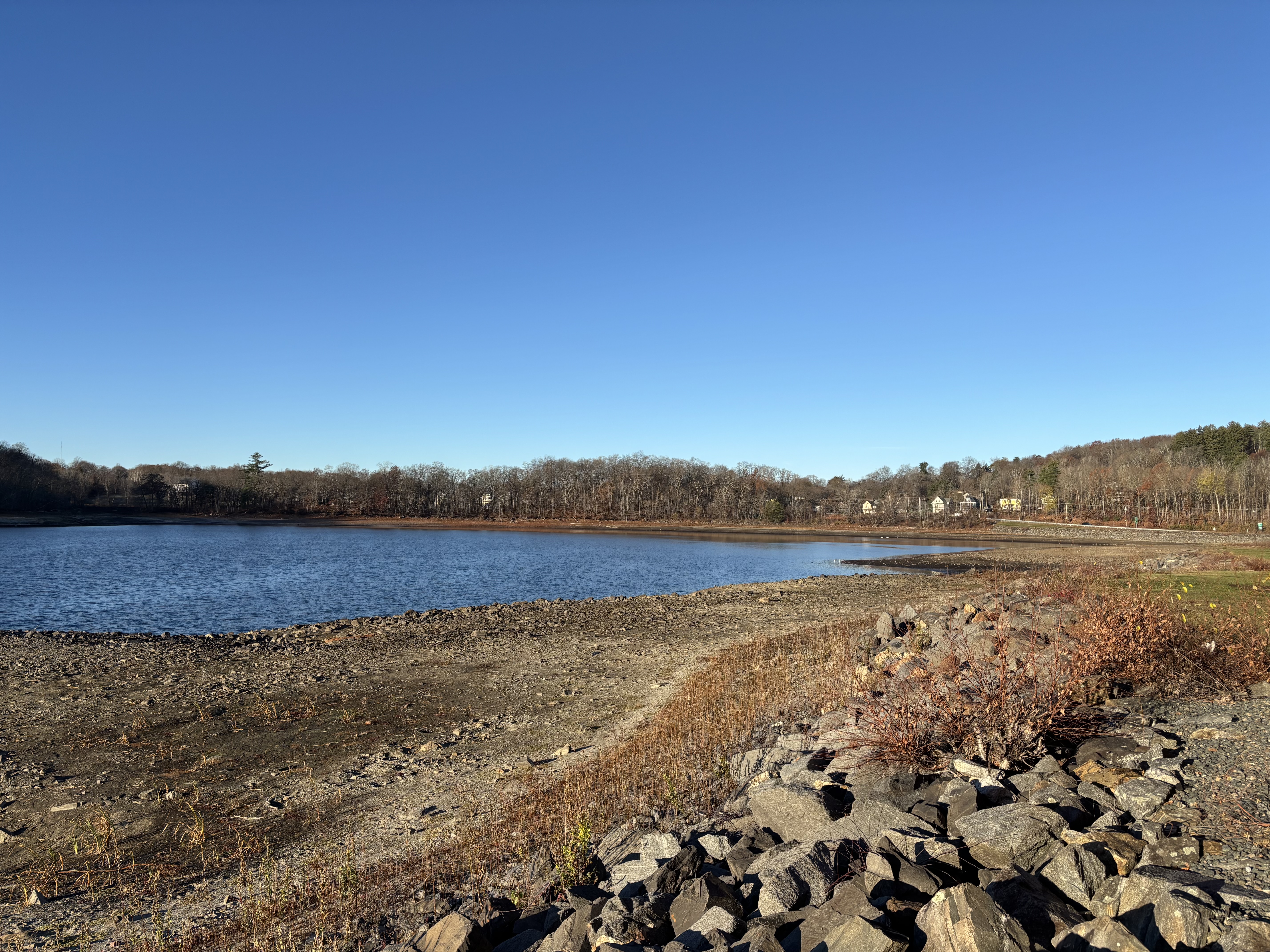
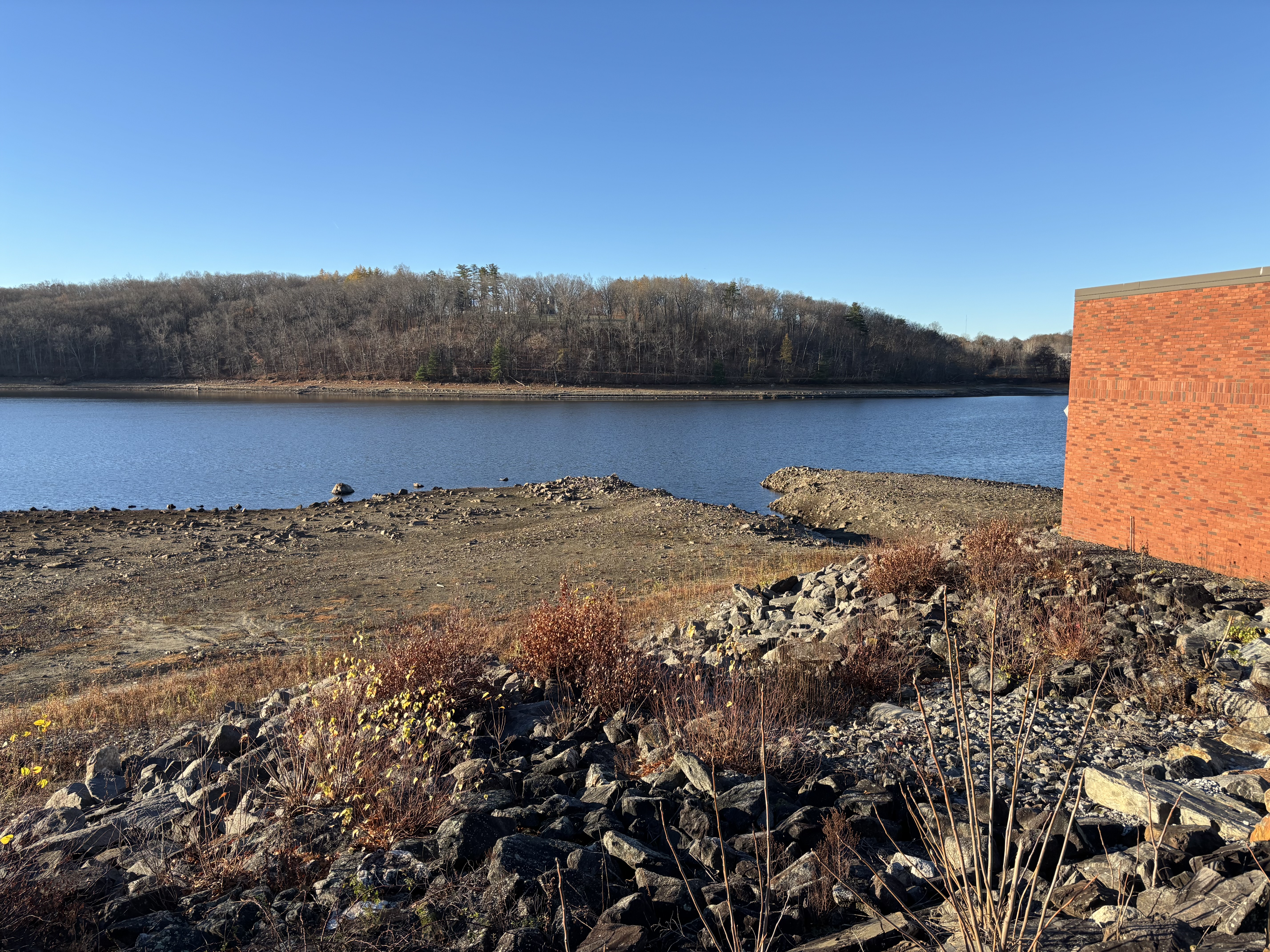
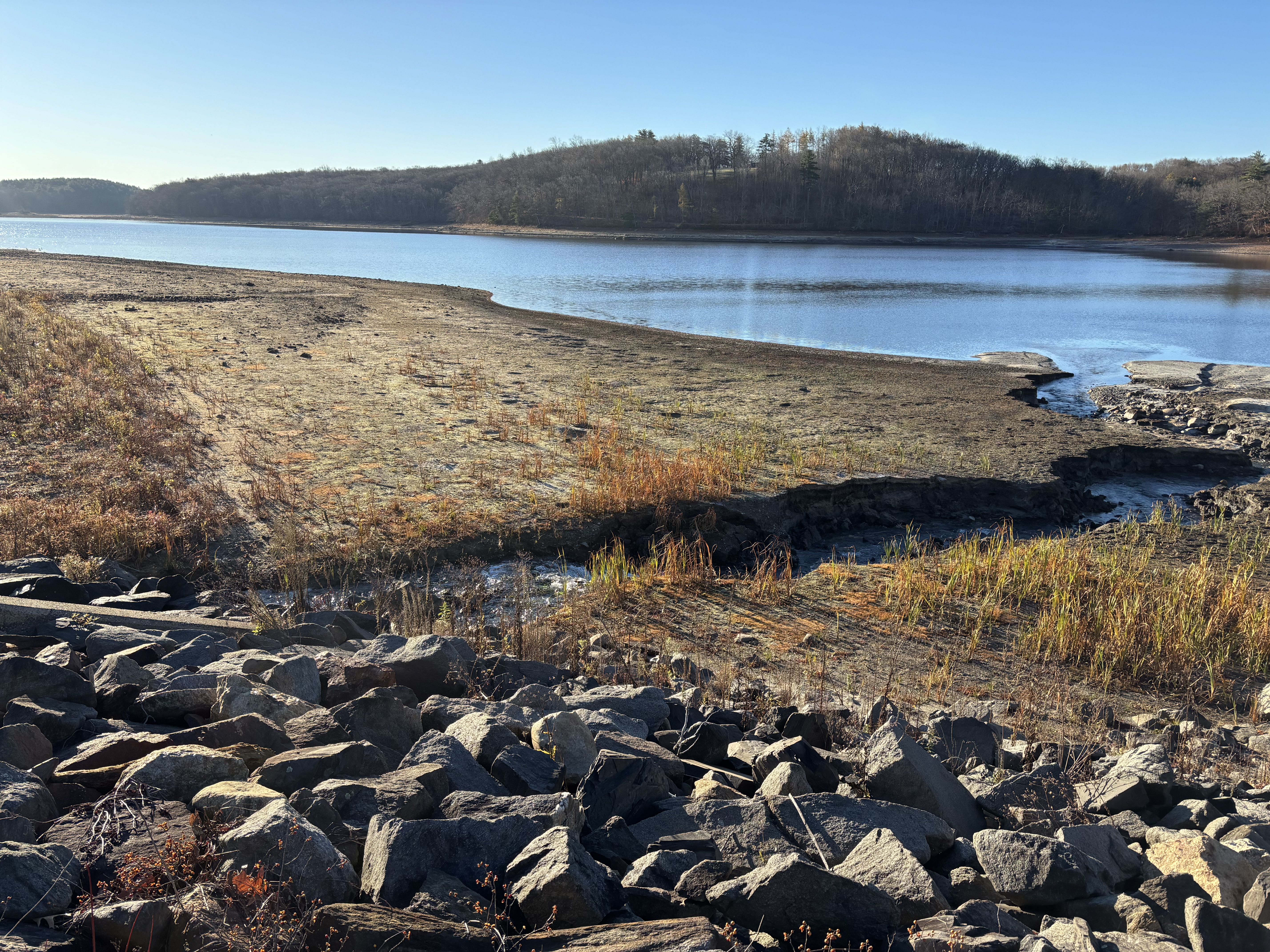
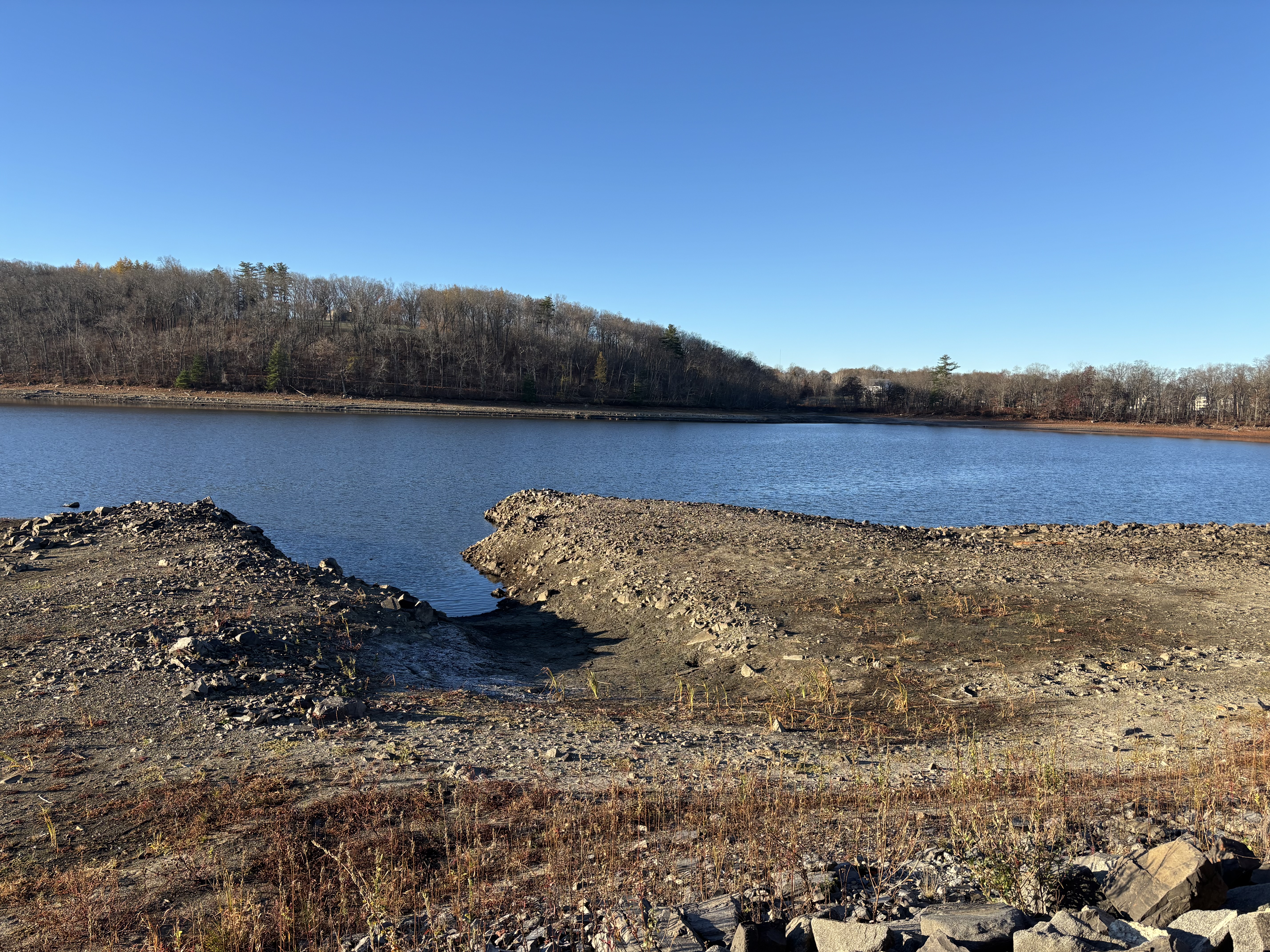
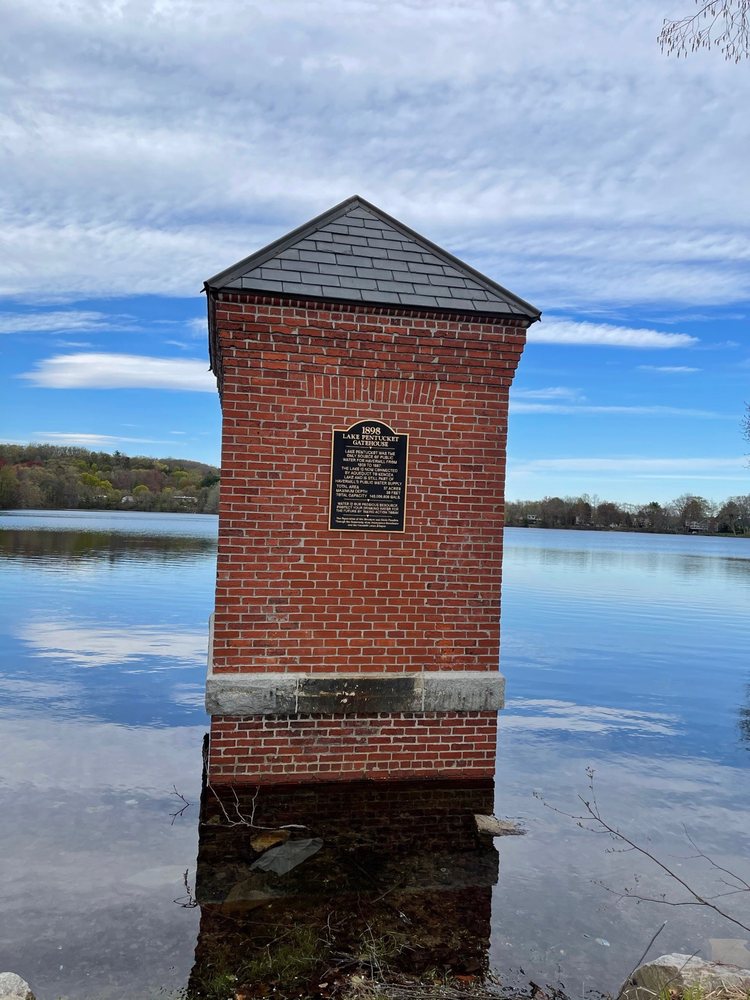
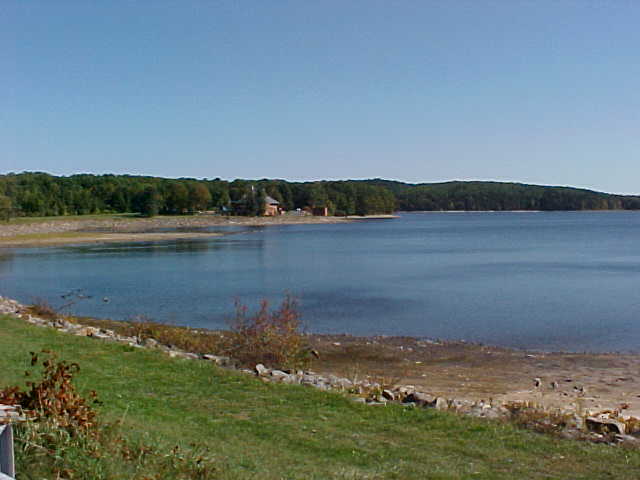
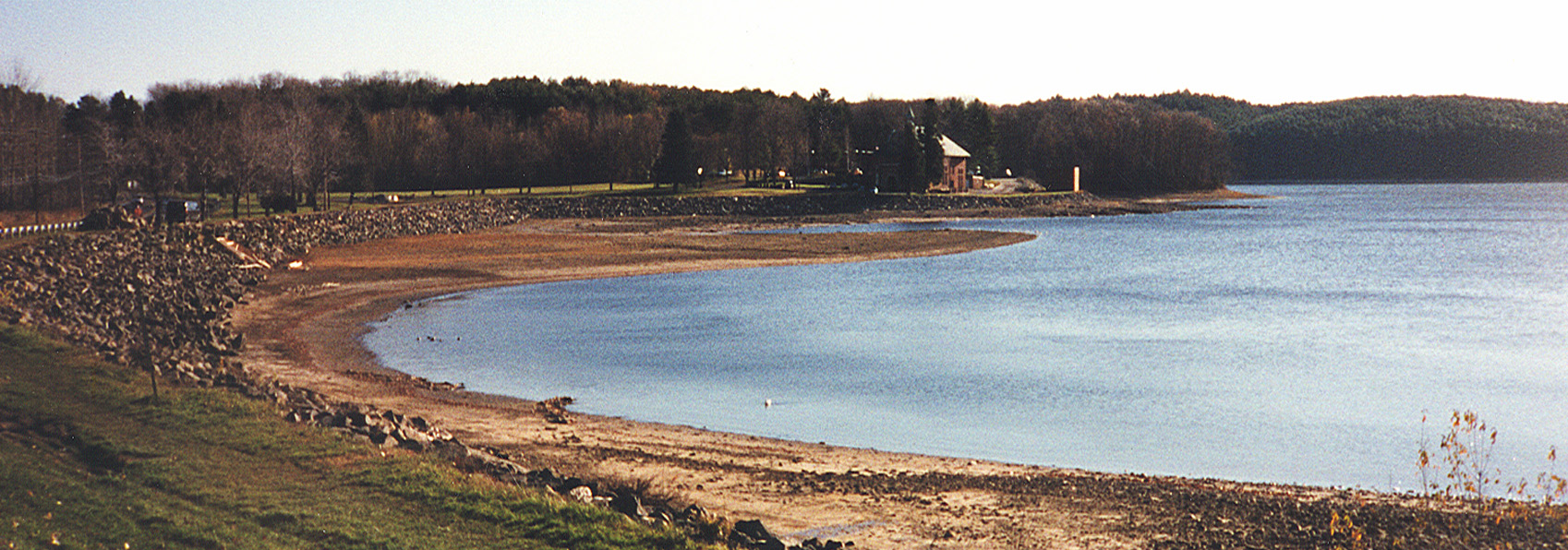
Kenoza Lake: Water levels have fallen approximately 11 feet below normal operating elevation for this time of year and 17.5 feet below full.
Millvale Reservoir: Critically low water levels have made supplemental supply very limited.
Crystal Lake: Drought conditions have limited its ability to replenish Kenoza Lake.
Essential Demand: The City must maintain sufficient water supplies for drinking, sanitation, businesses, essential services, and fire protection.
Regional drought classifications do not reflect Haverhill's specific water supply conditions. Rainfall varies geographically, and Haverhill relies primarily on surface-water reservoirs that depend on adequate precipitation to replenish their storage. Unlike neighboring communities that actively withdraw water from the Merrimack River, Haverhill's existing supply is more directly affected by prolonged periods of insufficient rainfall. As a result, improvements in regional drought conditions do not automatically translate into increased water availability for Haverhill.
Understanding Haverhill's Water Treatment System
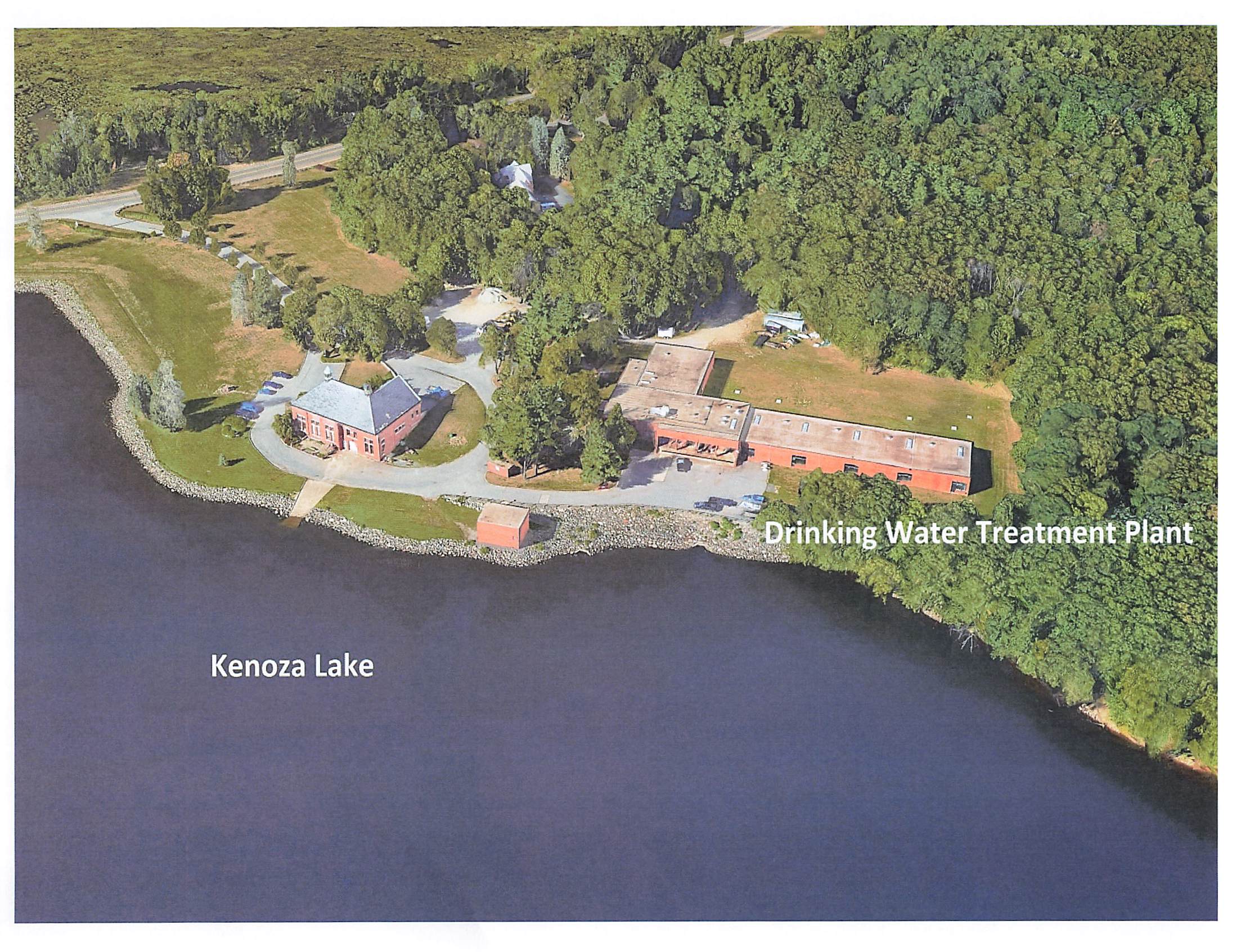
Haverhill's Water Treatment Plant (WTP), located at Kenoza Lake, serves approximately 61,000 residents. The facility utilizes a comprehensive, multistage treatment process designed to protect drinking water quality.
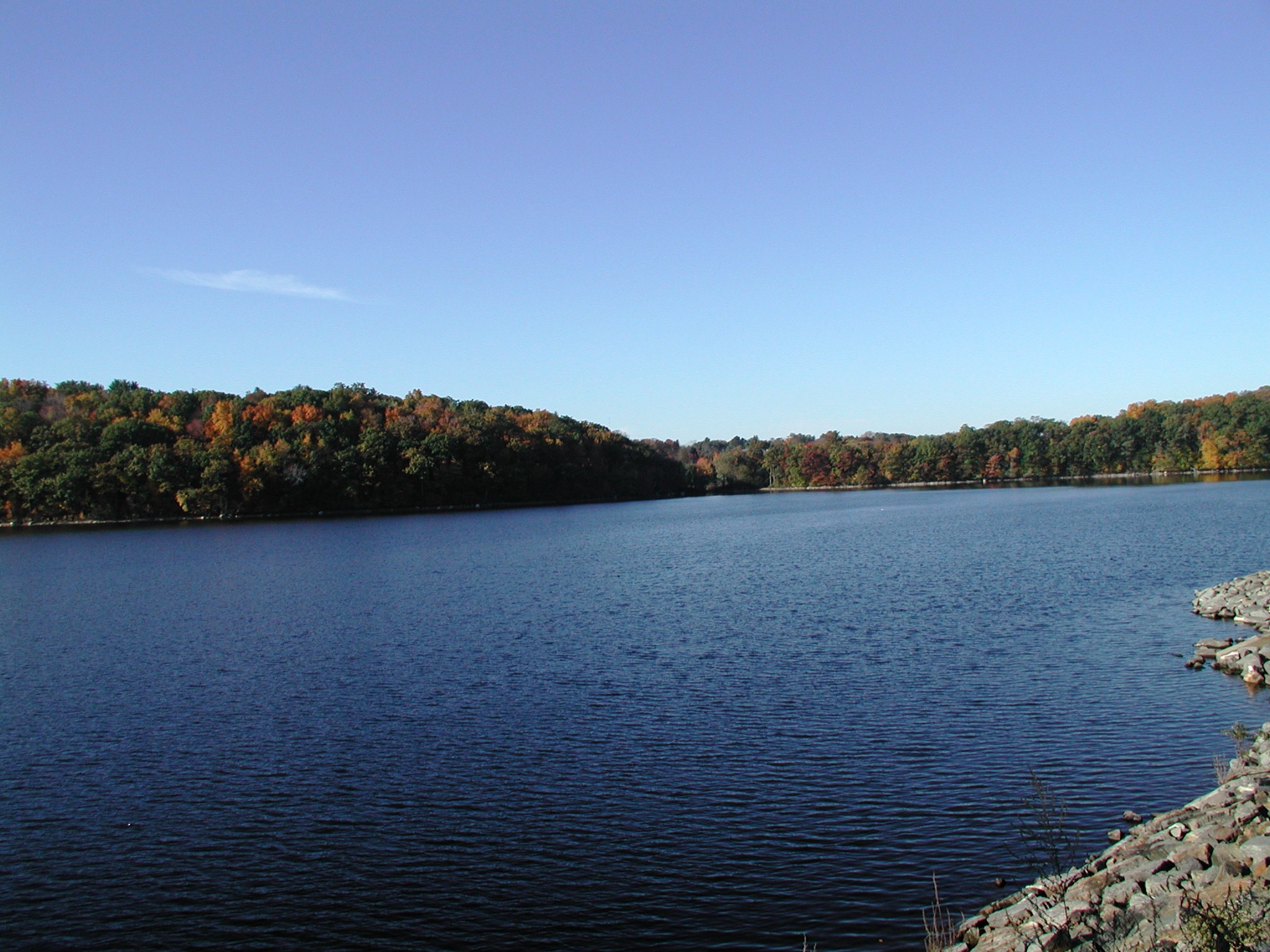
Water Sources: Kenoza Lake serves as the City's primary terminal reservoir, supported by Crystal Lake, Millvale Reservoir, and Round Pond.
Treatment and Filtration: Water undergoes chemical pre-treatment, dissolved air flotation for clarification, sand filtration, and granular activated carbon filtration to remove particles and impurities.
Disinfection and Corrosion Control: Carefully controlled chemical treatment disinfects the water, adjusts water chemistry, and helps protect the distribution system from corrosion.
Professional Oversight: Licensed water treatment operators oversee plant operations, monitor treatment performance, and conduct water quality testing to maintain compliance and provide the highest water quality to the public.
The City's Water Treatment Plant underwent significant upgrades between 2017-2021 to enhance treatment capabilities, improve operational efficiency, and strengthen protections for drinking water quality. The facility is designed to treat water from the City's approved sources using established filtration, disinfection, and corrosion control processes. Introducing new water sources requires careful evaluation of water chemistry, treatment compatibility, and potential impacts on the distribution system to ensure continued compliance with drinking water standards.